
Manufacturing Process, Applications, and Future Prospects of Plywood

1. Manufacturing Process of Plywood
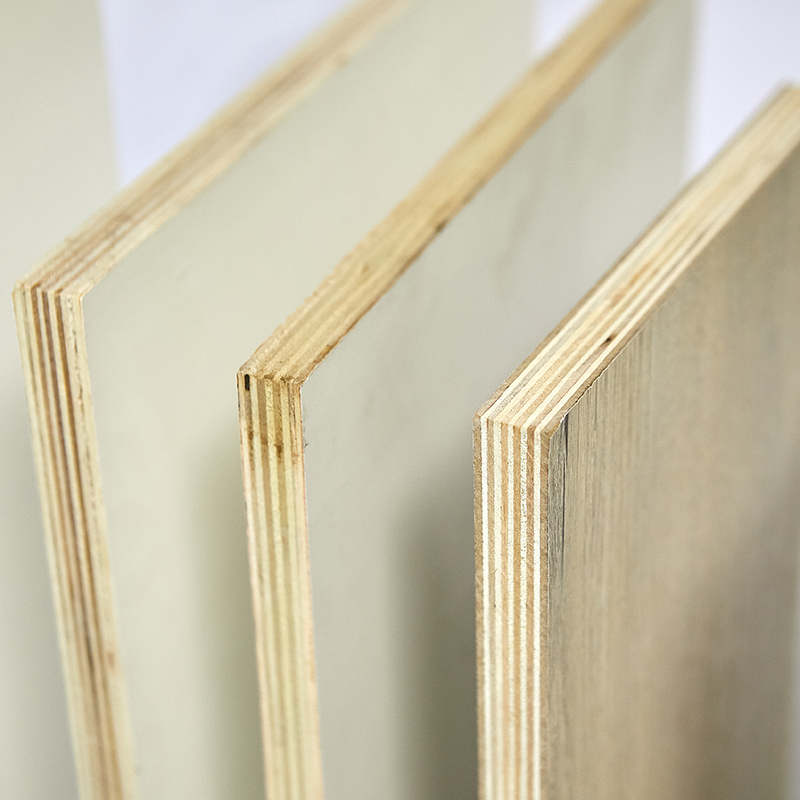
Plywood is an engineered wood panel made by bonding thin layers of wood veneers (called "plies") with adhesives under heat and pressure. Its cross-laminated structure gives it superior strength and dimensional stability compared to solid wood.
Key Production Steps:
① Log Selection & Peeling
-
Debarking: Logs (hardwood or softwood) are debarked and softened by steaming or soaking.
-
Veneer Peeling: A rotary lathe peels the log into continuous thin veneer sheets (~0.2–4 mm thick).
② Veneer Drying & Grading
-
Drying: Veneers are dried in kilns (~5–10% moisture content) to prevent warping.
-
Grading: Veneers are sorted by quality (A-grade for faces, lower grades for cores).
③ Glue Application & Layup
-
Adhesive Coating: Phenol-formaldehyde (PF) or urea-formaldehyde (UF) resin is applied.
-
Cross-Lamination: Veneers are stacked in alternating grain directions (90° angles) for strength.
-
Layer Count: Typically 3–13 plies (odd numbers prevent warping).
④ Hot Pressing & Curing
-
Cold Pressing (Optional): Initial bonding before hot pressing.
-
Hot Pressing (140–160°C, 1–1.5 MPa): Heat cures the adhesive for 2–10 minutes.
⑤ Trimming, Sanding & Finishing
-
Trimming: Panels are cut to standard sizes (e.g., 4×8 ft).
-
Sanding: Surfaces are smoothed for painting or laminating.
-
Optional Treatments:
-
Marine-grade plywood (waterproof PF resin).
-
Fire-retardant or decorative overlays.
-
2. Applications of Plywood
Plywood’s strength, versatility, and cost-effectiveness make it ideal for:
① Construction & Structural Uses
-
Roofing, flooring, and wall sheathing (OSB competition in some markets).
-
Concrete formwork (reusable due to high strength).
-
Prefabricated houses and I-beams.
② Furniture & Cabinetry
-
High-end furniture frames, cabinets, and tabletops (often veneered).
-
DIY and modular furniture (easy to machine and finish).
③ Transportation & Packaging
-
Vehicle interiors (caravan, truck, and ship paneling).
-
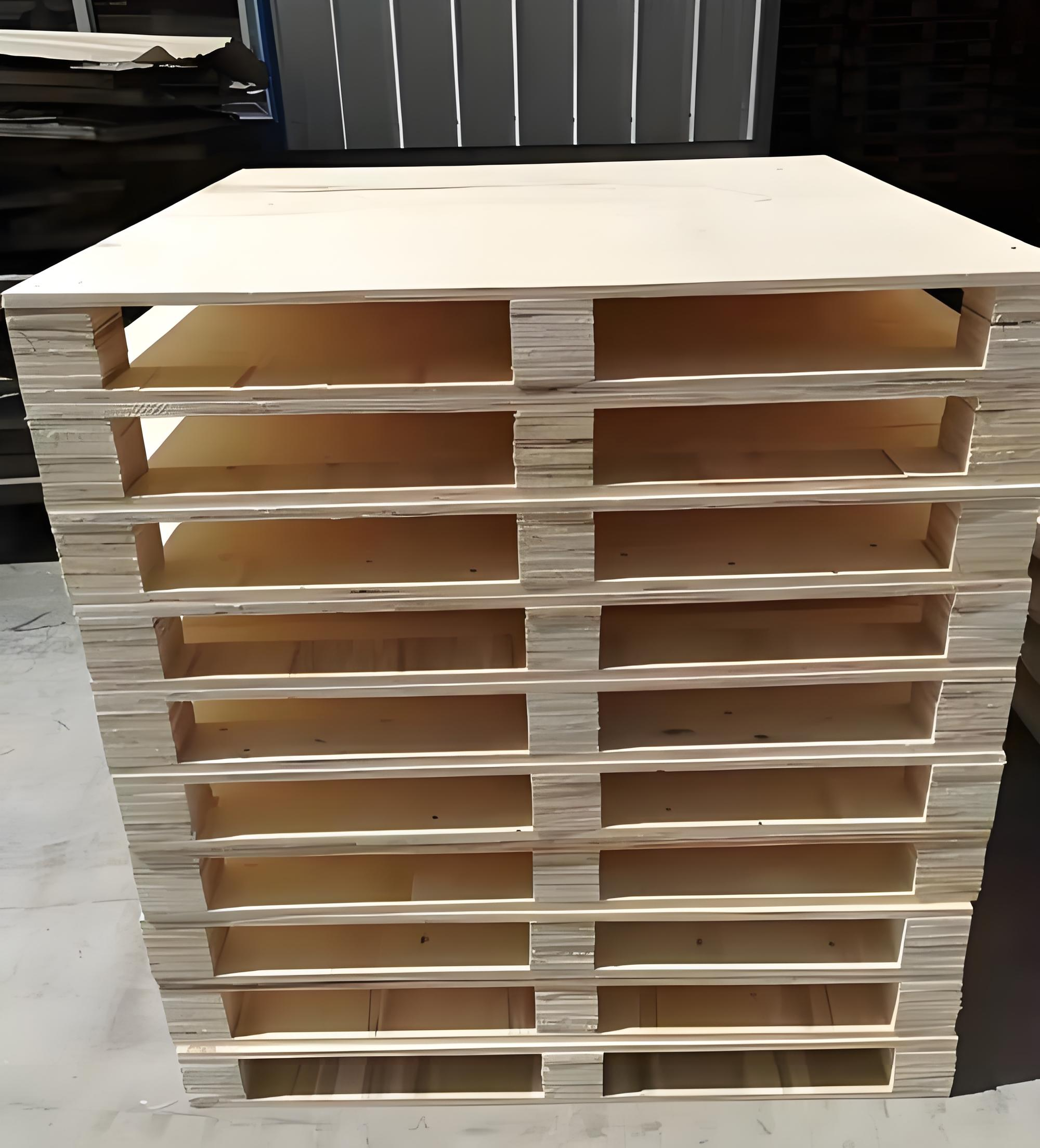
Export packaging (lightweight yet sturdy crates).
④ Specialty Applications
-
Marine plywood for boats and docks (waterproof adhesive).
-
Aircraft plywood (lightweight birch/mahogany for aviation).
-
Decorative plywood (exotic veneers for luxury interiors).
3. Current Market Trends & Future Prospects
✅ Growing Demand Drivers
-
Construction boom in emerging markets (India, Southeast Asia).
-
Prefab and sustainable housing trends favoring engineered wood.
-
Furniture industry demand for cost-effective, stable panels.
✅ Eco-Friendly Innovations
-
Low-formaldehyde (E0/E1) and soy-based adhesives (complying with CARB, EPA).
-
FSC-certified plywood promoting sustainable forestry.
-
Recycled wood veneers and agro-based materials (bamboo plywood).
✅ Technological Advancements
-
Hybrid plywood (e.g., aluminum-plastic composite-faced for exteriors).
-
Digital veneer printing for high-end decorative finishes.
-
Improved fire/termite resistance for safer construction.
⚠ Challenges
-
Competition from OSB, MDF, and LVL in some structural uses.
-
Log supply shortages driving up costs.
-
Counterfeit "marine plywood" hurting market trust.
? Future Outlook (2024–2030)
-
Expected CAGR of ~4–5%, led by Asia-Pacific construction.
-
Green plywood will dominate due to carbon-neutral policies.
-
Smart plywood (embedded sensors for structural health monitoring) in R&D.
Conclusion
Plywood remains a high-strength, adaptable material for construction and furniture, with innovations focusing on sustainability and high-value applications. Despite competition from alternative panels, its proven durability and eco-friendly advancements ensure long-term relevance. The future lies in specialty plywoods, digital manufacturing, and circular economy practices.
Would you like insights on regional market differences (e.g., China vs. North America) or specific plywood grades?
Manufacturing Process, Applications, and Future Prospects of Blockboard
Particle Board
