
The Application of PET Laminate on Particleboard
1. What is Particleboard and PET Laminate?
- •
Particleboard: An engineered wood product manufactured from wood chips, sawmill shavings, or sawdust, bonded together with a synthetic resin (e.g., urea-formaldehyde or phenol-formaldehyde) and pressed under heat. It is valued for its low cost, uniformity, and smooth surface, which is ideal for laminating.
- •
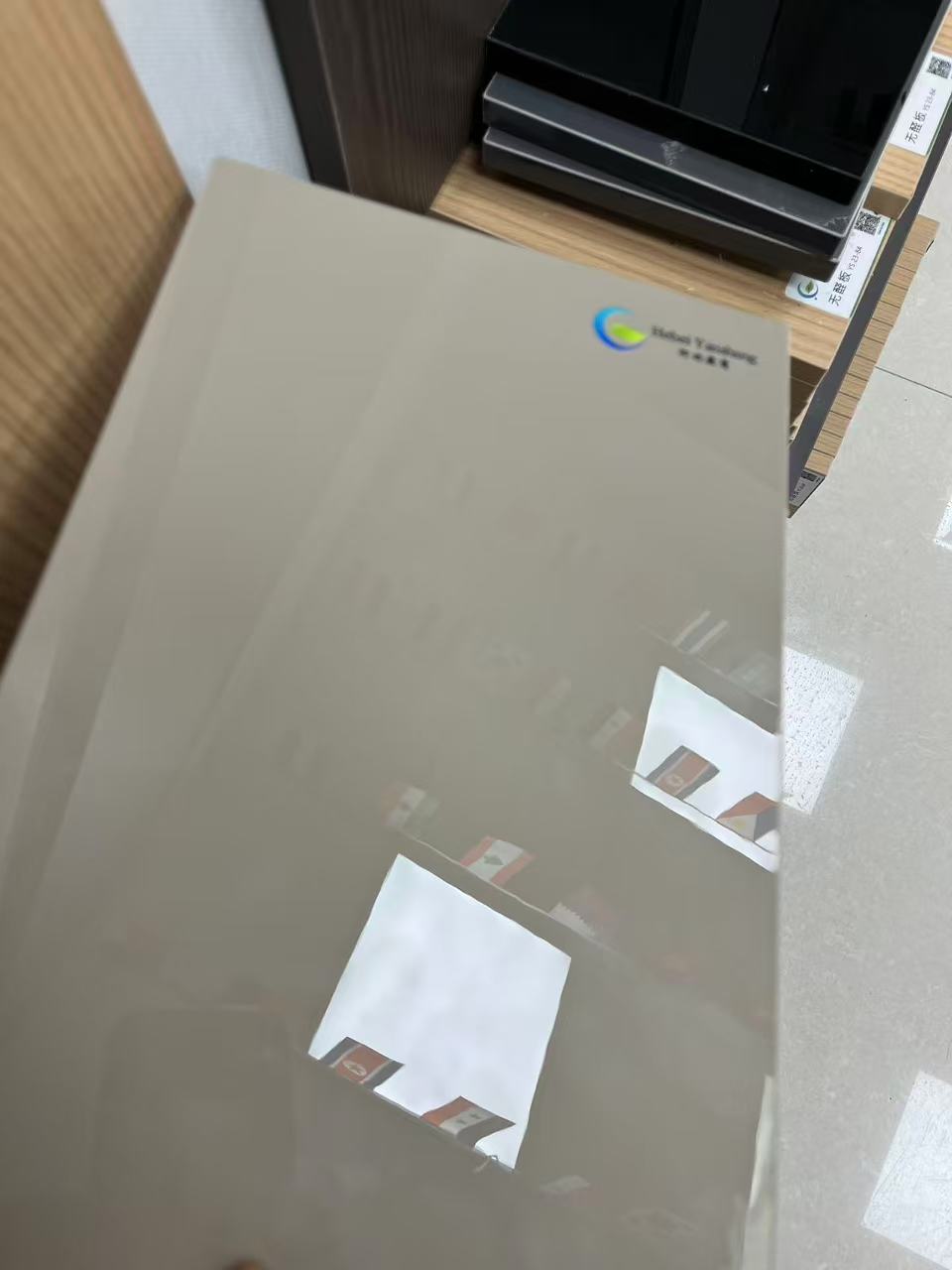
PET Laminate: A surface material made from Polyethylene Terephthalate (PET), a polymer most commonly known for its use in food and beverage containers. For laminating purposes, PET is processed into thin, durable films or sheets with a consistent finish. It is available in a vast array of colors, textures (e.g., matte, gloss, embossed, metallic), and realistic prints (e.g., wood grain, stone, concrete).
2. Key Applications of PET-Laminated Particleboard
PET-laminated particleboard is incredibly versatile and is used to fabricate a wide range of products:
- •
Furniture: Modern cabinets, wardrobes, bookshelves, TV units, and tables.
- •
Kitchen Cabinetry: Especially popular for modern and high-end kitchens due to its durability against moisture and stains.
- •
Wall Paneling & Partitions: Used to create feature walls, office partitions, and retail displays.
- •
Commercial Interiors: Widely adopted in shops, offices, hotels, and hospitals for fixtures, counters, and furniture due to its high wear resistance.
- •
Doors and Cladding: Used for interior doors and as exterior cladding for buildings when specified with the appropriate grade and backing.
3. Advantages of Using PET Laminate on Particleboard
The combination offers a superior set of properties that outperform many traditional laminates like Melamine:
- 1.
Exceptional Durability and Scratch Resistance: PET surfaces are highly resistant to scratches, abrasions, and everyday wear and tear, making them ideal for high-traffic areas and children's furniture.
- 2.
Superior Chemical and Stain Resistance: PET is non-porous and highly resistant to common household chemicals, solvents, oils, and stains. Spills from coffee, wine, or cleaning agents can be easily wiped off without leaving a mark.
- 3.
Excellent Moisture Resistance: Compared to standard melamine finishes, PET laminate provides a better barrier against moisture, reducing the risk of swelling or delamination in environments like kitchens and bathrooms.
- 4.
Aesthetic Appeal:
- •
Rich Visual & Tactile Feel: PET laminates, especially matte and soft-touch finishes, offer a premium, smooth feel that is visually appealing and fingerprint-resistant.
- •
High-Gloss Clarity: PET gloss finishes offer a deep, mirror-like shine without the orange-peel effect sometimes seen in lower-quality laminates.
- •
Color Consistency: The manufacturing process ensures excellent batch-to-batch color consistency.
- •
- 5.
Hygienic and Easy to Clean: The non-porous surface prevents the growth of bacteria and mold, making it easy to clean with a damp cloth and suitable for hygienic-sensitive environments.
- 6.
Environmentally Friendly Option: Many PET laminates are made from recycled PET plastic (e.g., from post-consumer bottles), contributing to sustainability goals. The material itself is also recyclable.
4. Comparison with Other Common Surfaces
- •
vs. Melamine-Impregnated Paper: PET is generally more durable, scratch-resistant, and offers a higher-end aesthetic feel. Melamine is a more economical choice but less performance-oriented.
- •
vs. PVC Laminate: PET is often considered more environmentally friendly and is known for its excellent color fastness and resistance to yellowing over time compared to some PVC laminates.
- •
vs. Acrylic (PMMA): While acrylic offers an extremely high-gloss, solid feel, it is typically more expensive and more susceptible to scratching. PET provides a excellent balance of performance and cost.
5. Considerations for Fabrication and Use
- •
Machining: PET-laminated particleboard can be processed using standard woodworking tools for cutting and drilling. However, using carbide-tipped tools is recommended to ensure clean edges and prevent chipping.
- •
Edge Banding: The exposed edges of the particleboard must be finished with matching PET edge banding or other materials (e.g., ABS, PVC) to seal the core and maintain the aesthetic and functional integrity.
- •
Quality of Substrate: The performance of the final product heavily depends on the quality of the particleboard core. For moisture-prone areas, using moisture-resistant (MR) or boil-proof (BP) grade particleboard is essential.
Conclusion
The application of PET laminate on particleboard successfully creates a high-performance, cost-effective, and aesthetically versatile material. It meets the modern demands of designers, manufacturers, and consumers for products that are not only beautiful but also durable, easy to maintain, and sustainable. As the market continues to prioritize these qualities, PET-laminated particleboard is poised to remain a leading material choice for the interior design and furniture industries.
Green Core Moisture-Resistant Particleboard
Application of melmaine MDF (melamine density board)
