
2025 China Chipboard Foreign Trade Performance Volume & Value Growth Led by Emerging Markets
author: Carl
2026-01-23
I. Core Export Performance: Synergistic Growth in Volume & Value, New Scale High
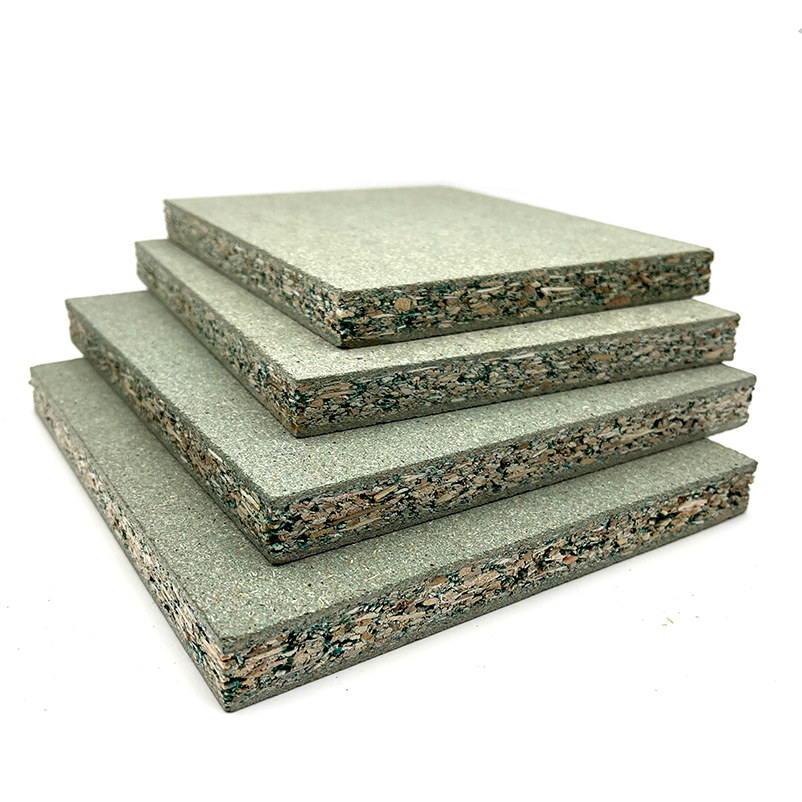
In 2025, China's chipboard exports reached 61,900 tons with an export value of 267 million US dollars, surging by 67% and 28% year-on-year respectively. The dual growth in volume and value led the wood-based panel segment. The average export price rose to 325 US dollars per cubic meter, an 18% premium over traditional products, mainly driven by the increased proportion of high-value-added products.
The market showed a pattern of "booming emerging markets and stable traditional markets", with Asia, Africa and Latin America as core demand regions. South Korea was the top destination (106,000 tons imported), while exports to Vietnam and Peru grew by 149% and 303% respectively, with only a slight decline to China's Taiwan region. RCEP tariff dividends boosted demand in Southeast Asia, making it a core growth engine.
Imports contracted: in 2025, chipboard imports fell by 19% year-on-year to 467,000 tons, with import value dropping by 12% to 224 million US dollars, expanding the trade surplus. Brazil was the largest import source (113,000 tons imported, +9% YoY), with slight growth in imports from Germany and Italy to fill the high-end market gap.
II. Core Growth Drivers: Policy, Technology & Supply Chain Empowerment
Policy-wise, the 13% export tax rebate rate remained stable. Coupled with green building material support policies, eco-friendly enterprises enjoyed preferential loan interest rates, reducing technological transformation and export costs. Leading enterprises accelerated EU CARB and other compliance certifications to avoid trade barrier risks.
Technological upgrading enhanced competitiveness, driving the industry towards intelligence and environmental protection. Leading enterprises achieved 90% penetration of continuous press technology and over 65% share of CNC equipment. Formaldehyde-free adhesives and other technologies were widely applied, reducing unit carbon intensity by 4%. OSB (Oriented Strand Board) accounted for 20% of capacity, becoming the mainstay of high-end exports.
The supply chain demonstrated strong resilience. Leading enterprises owned over 800,000 hectares of overseas fast-growing forest bases, with 12% of raw materials supplied overseas, reducing costs by about 15%. Blockchain traceability and digital warehousing reduced raw material loss to 3.2% and optimized inventory turnover by 24%, ensuring delivery efficiency.
Chipboard Exports Lead Southeast Asia as Core Engine
2025 China MDF Foreign Trade Report Diversified Growth Leader
