The new favorite in the building materials market - density board
author: jason
2025-09-22

The material characteristics and advantages of density board:
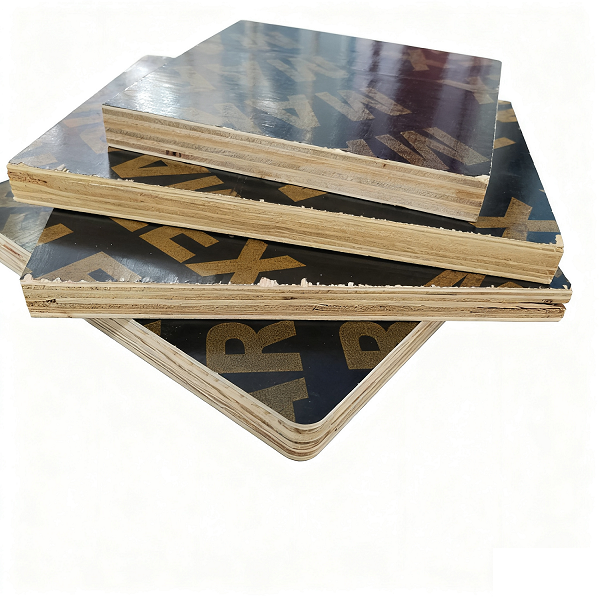
Density board, also known as fiberboard, is a type of board made from wood fibers or other plant fibers. It is prepared through fiber processing, applied with adhesive, and then heated and pressed under pressure. Its core advantages are as follows:
Structural stability: The fibers are closely bonded with the adhesive, with high density and uniform distribution. During processing such as cutting and engraving, it is not prone to deformation, and can meet the requirements of complex designs.
Environmental attributes: Using renewable plant fibers as raw materials and combined with environmentally friendly adhesives, it conforms to the concept of sustainable development and reduces environmental pollution.
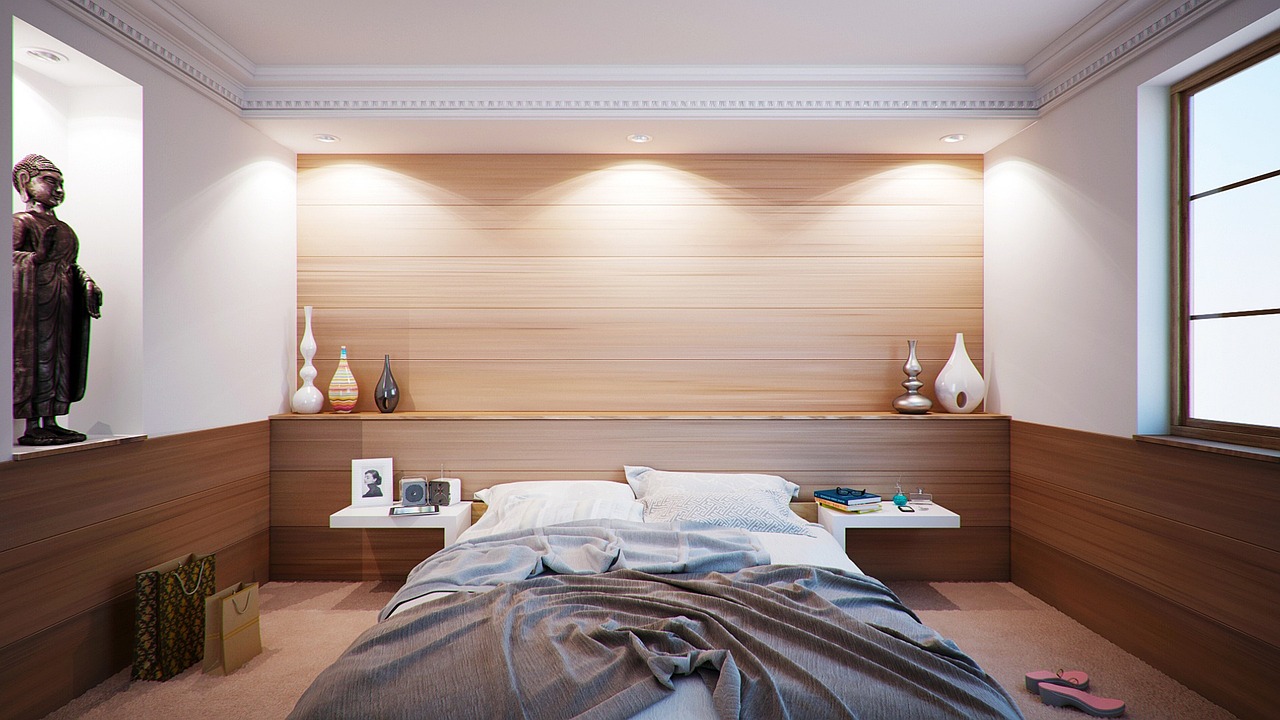
Surface plasticity: It can be processed through coating, veneering, and baking, imitating the appearance of materials such as wood, stone, and metal, and is suitable for various decorative styles such as modern minimalist and European classical.
Density board, also known as fiberboard, is a type of board made from wood fibers or other plant fibers. It is prepared through fiber processing, applied with adhesive, and then heated and pressed under pressure. Its core advantages are as follows:
Structural stability: The fibers are closely bonded with the adhesive, with high density and uniform distribution. During processing such as cutting and engraving, it is not prone to deformation, and can meet the requirements of complex designs.
Environmental attributes: Using renewable plant fibers as raw materials and combined with environmentally friendly adhesives, it conforms to the concept of sustainable development and reduces environmental pollution.
Surface plasticity: It can be processed through coating, veneering, and baking, imitating the appearance of materials such as wood, stone, and metal, and is suitable for various decorative styles such as modern minimalist and European classical.

Comparing the competitiveness of traditional materials
Durability: Resistant to moisture and cracking, with a longer service life than solid wood, especially suitable for humid environments (such as kitchen and bathroom decorations).
Cost-effectiveness: The price is lower than that of solid wood, and through surface treatment, it can achieve high-end texture, with significant cost-benefit advantages.
Design flexibility: Supports complex processing such as chiseling and special-shaped engraving, becoming an important carrier for designers to realize their creativity.
Durability: Resistant to moisture and cracking, with a longer service life than solid wood, especially suitable for humid environments (such as kitchen and bathroom decorations).
Cost-effectiveness: The price is lower than that of solid wood, and through surface treatment, it can achieve high-end texture, with significant cost-benefit advantages.
Design flexibility: Supports complex processing such as chiseling and special-shaped engraving, becoming an important carrier for designers to realize their creativity.

Thanks to its core advantages such as stable material, environmental friendliness, recyclability and flexible design, particleboard has been upgraded from traditional artificial boards and has become a "all-rounder" in the decoration industry. With the advancement of technology and the upgrading of market demands, its penetration rate in custom furniture, commercial decoration and other fields will continue to increase, becoming a key force driving the green and personalized development of the industry.
The evolution of the market landscape for particle board
Production and Utilization of Construction Plywood